
Should I Pay Off Debt or Save Money?
Here’s What You Should Know
Ever felt stuck trying to decide whether to pay off your debt or start saving for the future?
It’s one of the most common financial dilemmas, and honestly, there’s no one-size-fits-all answer. It all depends on your current situation, your goals, and how much debt you’re carrying.
Let’s take a step back and look at the bigger picture. According to Experian’s 2025 report, the average American carries about $6,730 in credit card debt. And according to NerdWallet, households with unpaid credit card balances owe around $10,563 on average. That’s a pretty big number, and it shows that many people are struggling to pay off their debt, especially with rising interest rates and living costs.
That’s why this question feels more relevant than ever. Personally, I’ve chosen to pay off my debt first, especially my credit card balance, because the interest keeps growing and can easily snowball if I ignore it. Plus, maintaining a good credit score is also one of my top priorities.
Still, saving money matters too. So how do you decide which one should come first?
But first, let’s be clear about one thing before comparing debt and savings: you should always make at least the minimum required payments on all your debts.
Missing payments or falling behind can hurt your credit score, increase interest, and make it harder to achieve any financial goals, whether that’s paying off debt faster or building your savings.
Now, let’s take a closer look at both sides. I’m starting with why paying off debt first.
Why You Should Pay Off Debt First
Paying off debt first might sound obvious, but many people struggle to prioritize it, especially when saving seems equally important. Here’s why focusing on debt can be the smarter move, particularly if you have credit card debt:
1. High interest can snowball quickly
Credit cards and other high-interest debts are expensive. For example, the average credit card interest rate in the U.S. is around 22–23% per year. That means the longer you carry a balance, the more you’re paying just to cover the interest, not the actual debt itself. By paying it off first, you stop your money from leaking out to interest and start gaining control over your finances.
2. Protect your credit score
Your credit score isn’t just a number; it affects everything from loan approvals to the interest rates you get in the future. Carrying high balances or missing payments can lower your score.
By consistently paying off debt, you:
- Show lenders you’re reliable.
If you consistently pay your credit card or loan on time, it’s like telling lenders, “You can trust me with money.” That trust translates into lower interest rates, higher credit limits, or easier approvals for things like mortgages, car loans, or even renting an apartment.
- Reduce your credit utilization ratio.
The credit utilization ratio is basically how much of your available credit you’re using.
Example: If you have a credit card with a $1,000 limit and your balance is $500, your utilization ratio is 50%. If you pay it down to $100, your utilization drops to 10%, which is excellent for your credit score.
Keeping your utilization low (generally under 30%) shows lenders that you’re not over-relying on credit.
3. Being in debt is stressful
Debt isn’t just a financial burden; it can weigh on your mental health, too.
Paying it off gives you freedom and confidence to make better financial decisions without the constant pressure of high-interest bills.
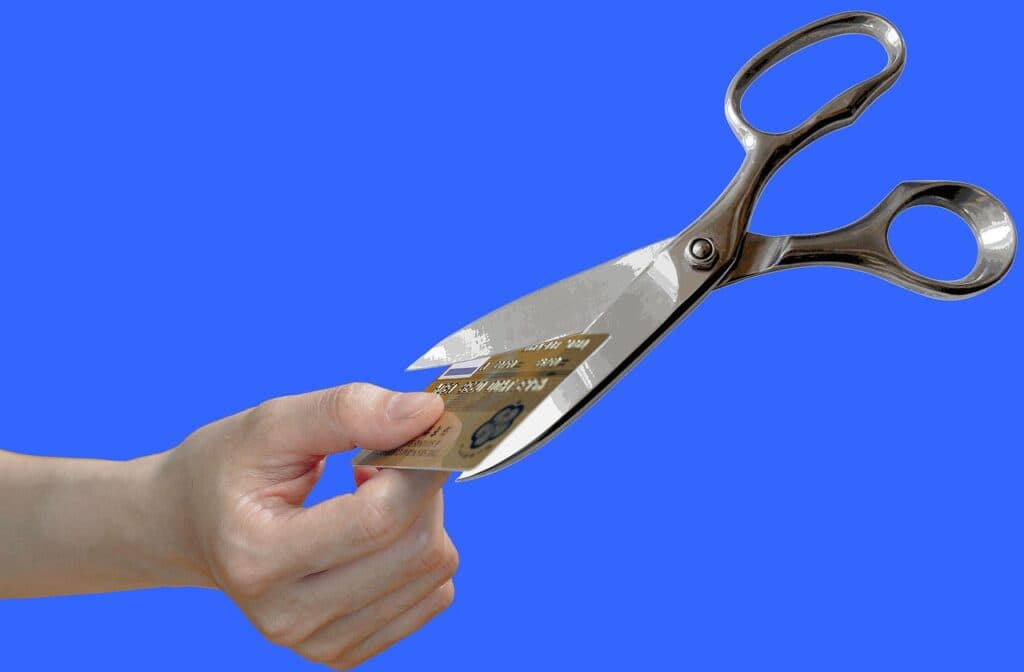
How to tackle debt efficiently
-
List all your debts with balances, interest rates, and due dates.
-
Avoid accumulating more debt while you’re paying off existing balances.
While you’re working hard to pay off existing balances, it’s important not to add new debt.
One way to avoid this is to control impulse spending and stop buying things you don’t need.
-
Use extra income to speed up repayment.
Any extra money, whether it’s from side hustles or gig work, can go straight toward your debt.
This helps you pay off balances faster and saves money on interest in the long run.
You need to focus on tackling what you already owe first. This way, your payments go toward actually reducing your debt, not just covering interest.
Why Saving Money Is Important
Saving money might sound like something we all know we should do, but it’s one of those things that’s easier said than done.
Still, having some savings can make a big difference in your life.
1. It protects you during emergencies
Life is unpredictable: your car might suddenly need repairs, your child might get sick, or you might lose your job. When such things happen, saving money can help us stay calm and avoid borrowing or using credit cards.
2. It gives you financial freedom
When you have some savings, you can make choices based on what’s best for you. You can invest in learning something new, or start that small business you’ve been dreaming of.
3. It grows over time
If you haven’t started yet, don’t worry. Start small; even saving a few dollars a week adds up over time. Just make it a habit and stay consistent.
Balancing Debt and Savings
You don’t always have to choose one over the other. I think the best strategy is to do both.
For example, you could use the 80/20 rule: put 80% of your extra money toward debt repayment and 20% toward savings.
This way, you can keep your savings growing while also reducing your debt more quickly. But you need to remember, everyone’s financial situation is different. What works for one person might not work for another.
In my case, I’m currently dealing with credit card debt, and that’s why I’ve decided to focus on paying it off first. Credit card interest rates are incredibly high, and if I just make the minimum payments or ignore them, the balance will only keep growing. Paying it off helps me save money in the long run and maintain a good credit score, which is really important for future opportunities.
To stay on track, I’ve stopped using my credit card for non-essential purchases and set up a payment plan where I always pay more than the minimum each month. It’s not easy, but seeing the balance go down little by little feels rewarding. Once this debt is finally under control, I plan to take that same amount I used for payments and start putting it straight into my savings.
Boosting Your Income Helps Both Goals
If your current income isn’t enough to comfortably pay off debt and save money, that’s totally understandable. Many of us have been there. When your paycheck only stretches so far, it can feel impossible to do both at once. That’s where earning extra income can really make a difference.
By finding a side hustle or part-time gig, you can give yourself more breathing room financially. Even a small boost in income can help you pay off debt faster and build your emergency fund.
If you’re not sure where to start, check out some of my previous articles that can help you get ideas for making extra money
- Best Weekend Jobs for Extra Cash
- Companies to Find Online Transcribing Jobs
- Companies to Teach English Online
- Online Side Hustles
- Best Freelance Job Sites
Please save and share,
Sindi